
Most homeowners think about shingles, gutters, and leaks when it comes to roof care. However, roof ventilation is often overlooked even though it plays a major role in protecting a home. Poor ventilation can quietly create problems that build up over months and years. In many cases, homeowners don't realize the issue exists until they face expensive repairs or comfort problems. This is one reason many people begin exploring full roof replacement in Athens after discovering that ventilation issues have contributed to premature roof aging. According to the U.S. Department of Energy, proper attic ventilation helps manage heat and moisture levels inside a home. A well-ventilated roof system can make a significant difference in the long-term condition of a home.
Ignoring ventilation problems rarely leads to good results.
1. Higher Energy Bills Throughout the Year
One of the first effects of poor roof ventilation is increased energy use. When hot air becomes trapped in the attic, indoor temperatures rise and cooling systems have to work harder.
What usually works is allowing heat to escape properly. What often fails is assuming insulation alone can solve the problem.
Attics become excessively hot
Air conditioners run longer
Energy consumption increases
Utility bills continue rising
Many homeowners notice higher energy costs before realizing ventilation is part of the problem.
2. Moisture Buildup Can Damage Your Home
Ventilation helps remove excess moisture from the attic. Without proper airflow, moisture can collect and create long-term issues.
What works is maintaining balanced airflow. What fails is allowing moisture to remain trapped.
Condensation forms on surfaces
Wood materials may weaken
Mold growth becomes more likely
Insulation can lose effectiveness
Moisture damage often develops quietly and spreads before becoming visible.
3. Roofing Materials May Wear Out Faster
Excessive attic heat and trapped moisture can shorten the lifespan of roofing materials. This can lead to premature deterioration.
What usually works is reducing heat buildup under the roof. What often fails is overlooking attic conditions.
Shingles may age more quickly
Roofing materials can become brittle
Protective layers may weaken
Repairs become more frequent
A roof that should last decades may wear out much sooner.
4. Indoor Comfort Can Decrease
Poor ventilation does not just affect the roof. It can also make living spaces less comfortable throughout the year.
What works is maintaining consistent airflow. What fails is allowing attic temperatures to fluctuate dramatically.
Rooms may feel warmer upstairs
Temperature differences become noticeable
Cooling systems struggle to keep up
Overall comfort decreases
Many homeowners assume HVAC issues are to blame when ventilation is actually the cause.
5. Structural Damage May Develop Over Time
One of the most serious consequences of poor ventilation is long-term structural damage. Excess moisture and heat can affect important building materials.
What usually works is addressing ventilation issues early. What often fails is waiting until visible damage appears.
Roof decking may weaken
Wood framing can absorb moisture
Mold can spread to surrounding areas
Repairs become more expensive
Structural issues often take years to develop but can be costly to fix.
Why Ventilation Problems Often Go Unnoticed
Ventilation issues are not always obvious. Unlike a roof leak, they may not create immediate signs of damage.
What works is scheduling regular roof inspections. What fails is assuming no visible problems means everything is fine.
Symptoms develop gradually
Damage often occurs behind the scenes
Energy bills rise slowly
Homeowners may overlook warning signs
This is why ventilation problems can continue for years before being discovered.
Common Signs of Poor Roof Ventilation
Although some problems stay hidden, there are often clues that indicate ventilation needs attention.
What usually works is recognizing these warning signs early. What often fails is dismissing them as normal.
Hot attic temperatures
Musty odors
Mold growth in attic spaces
Uneven indoor temperatures
These signs often point to airflow issues that should be evaluated.
How Ventilation Supports Roof Longevity
A properly ventilated roof system helps protect roofing materials from unnecessary stress. Good airflow supports the overall health of the roof.
What works is maintaining balanced intake and exhaust ventilation. What fails is blocking airflow paths.
Heat escapes more efficiently
Moisture levels stay lower
Roofing materials perform better
Roof lifespan may increase
Good ventilation is one of the simplest ways to support long-term roof performance.
When Ventilation Problems Lead to Bigger Roofing Decisions
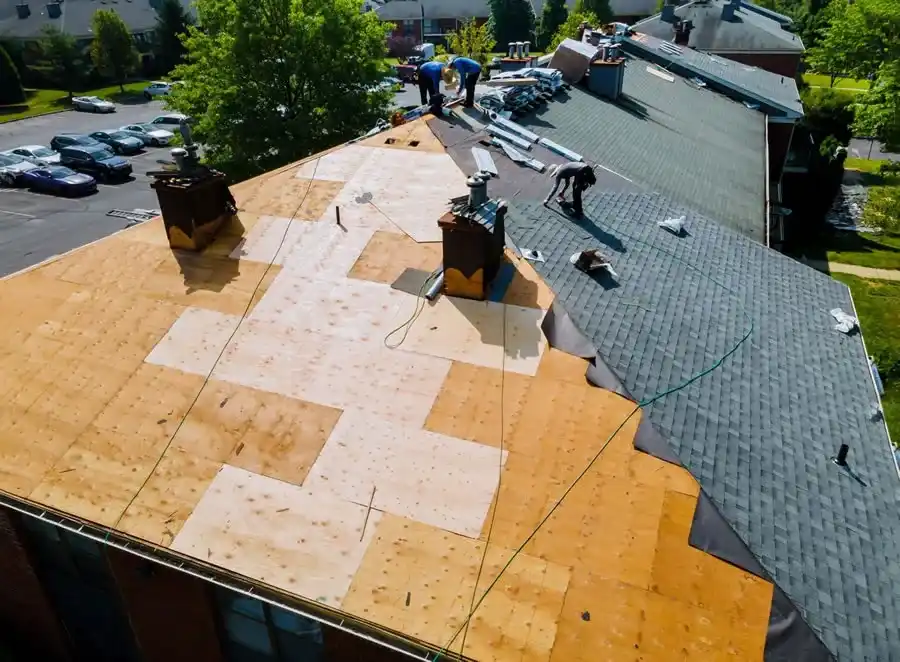
In some cases, ventilation issues contribute to widespread roofing damage. When roofing materials have already been affected for years, repairs may not be enough.
For many homeowners, this is when roof replacement in Athens becomes the practical long-term solution.
Roofing materials show extensive wear
Repairs become more frequent
Energy costs continue rising
Moisture damage has spread
Addressing both the roof and ventilation system often provides the best results.
Protecting Your Home for the Long Term
Ventilation is one of the most overlooked parts of a roofing system, yet it plays a major role in protecting the home.
What usually works is regular maintenance and inspections. What often fails is waiting until damage becomes obvious.
Problems are identified sooner
Roofing systems last longer
Energy efficiency improves
Home comfort increases
Small improvements today can prevent larger expenses tomorrow.
Conclusion
Poor roof ventilation can lead to higher energy bills, moisture buildup, premature roof aging, reduced indoor comfort, and long-term structural damage. These issues often develop slowly, making them easy to overlook until significant problems appear. Understanding how ventilation affects a home helps homeowners make smarter decisions about roof maintenance and repairs. Taking action early can prevent costly damage and improve overall roof performance. Working with experienced professionals like Milledge Roofing Company can help homeowners identify ventilation concerns and protect their homes with roofing solutions designed for long-term reliability.
FAQs
1. What does roof ventilation do?
Roof ventilation helps remove excess heat and moisture from the attic, protecting both the roof and the home.
2. Can poor ventilation increase energy bills?
Yes. Trapped heat can make cooling systems work harder, increasing energy costs.
3. How can I tell if my roof ventilation is poor?
Common signs include a hot attic, musty odors, mold growth, and uneven indoor temperatures.
4. Can poor ventilation damage roofing materials?
Yes. Excess heat and moisture can shorten the lifespan of shingles and other roofing components.
5. Does ventilation affect indoor comfort?
Absolutely. Poor airflow can create temperature differences throughout the home.
6. Can roof replacement solve ventilation issues?
A roof replacement can provide an opportunity to improve ventilation if the existing system is inadequate.


Write a comment ...