
Choosing the right roofing option is not just about looks or materials. It mostly comes down to cost—both now and later. Many homeowners start looking into reliable roof replacement in Madison when repairs keep adding up or when bills begin to rise. But picking the right option is not always easy. Some choices look cheaper at first but end up costing more over time. Others feel expensive but actually save money in the long run.
The trick is understanding what really affects roofing costs before making a decision.
1. The Current Condition of Your Roof
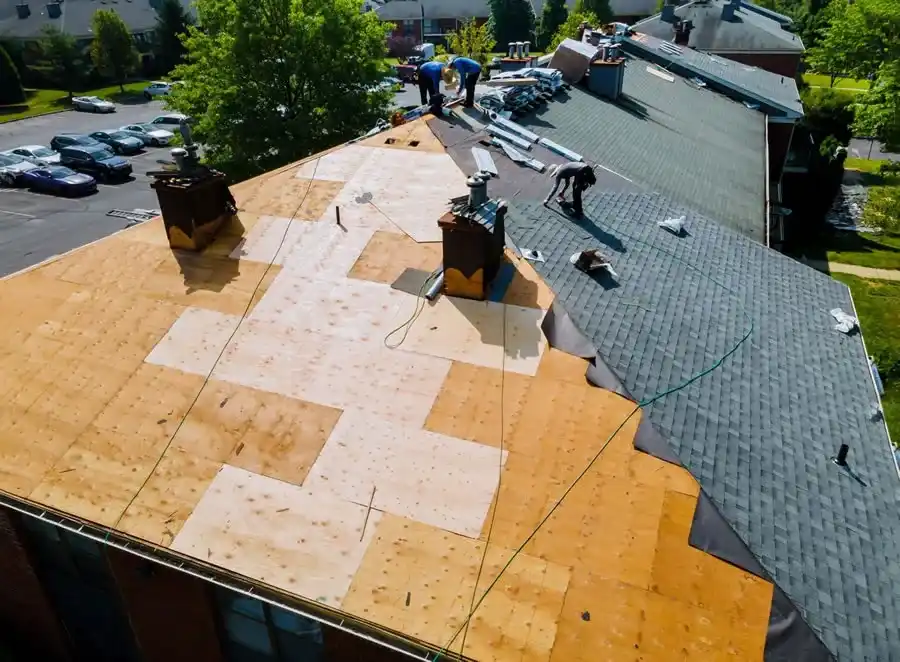
The starting point is always the condition of the existing roof. A roof in decent shape may only need small repairs. But a worn-out roof often needs a full replacement.
What usually works is getting an honest inspection first. What often fails is guessing based on how the roof looks from the ground.
Minor damage can be repaired
Widespread wear needs replacement
Hidden damage may exist underneath
Age affects overall strength
A roof that looks fine can still be close to failure.
2. Material Choice and Its Long-Term Value
Roofing materials vary a lot in price and performance. Asphalt shingles are common and affordable. Metal and other materials cost more but last longer.
What works is balancing budget with lifespan. What fails is choosing the cheapest option without thinking ahead.
Asphalt shingles cost less upfront
Metal roofs last longer
Some materials need more maintenance
Durability affects future costs
Paying a bit more now can save repairs later.
3. Labor and Installation Complexity
Not all roofs are easy to install. Roof size, slope, and design can affect labor costs. A simple roof costs less to work on than one with multiple angles and features.
What usually works is planning for labor, not just materials. What often fails is underestimating complexity.
Steep roofs take more time
Complex designs increase labor
Skilled workers may cost more
Poor installation leads to future issues
Good work matters more than fast work.

4. Repair History and Ongoing Maintenance Costs
A roof that has been repaired many times often signals a bigger problem. Small fixes may seem cheaper, but they don’t always last.
What works is tracking how often repairs are needed. What fails is fixing the same issue again and again.
Frequent repairs increase total cost
Older roofs need more maintenance
Small issues can spread quickly
Replacement may reduce long-term spending
At some point, repairs stop making sense.
5. Energy Efficiency and Hidden Savings
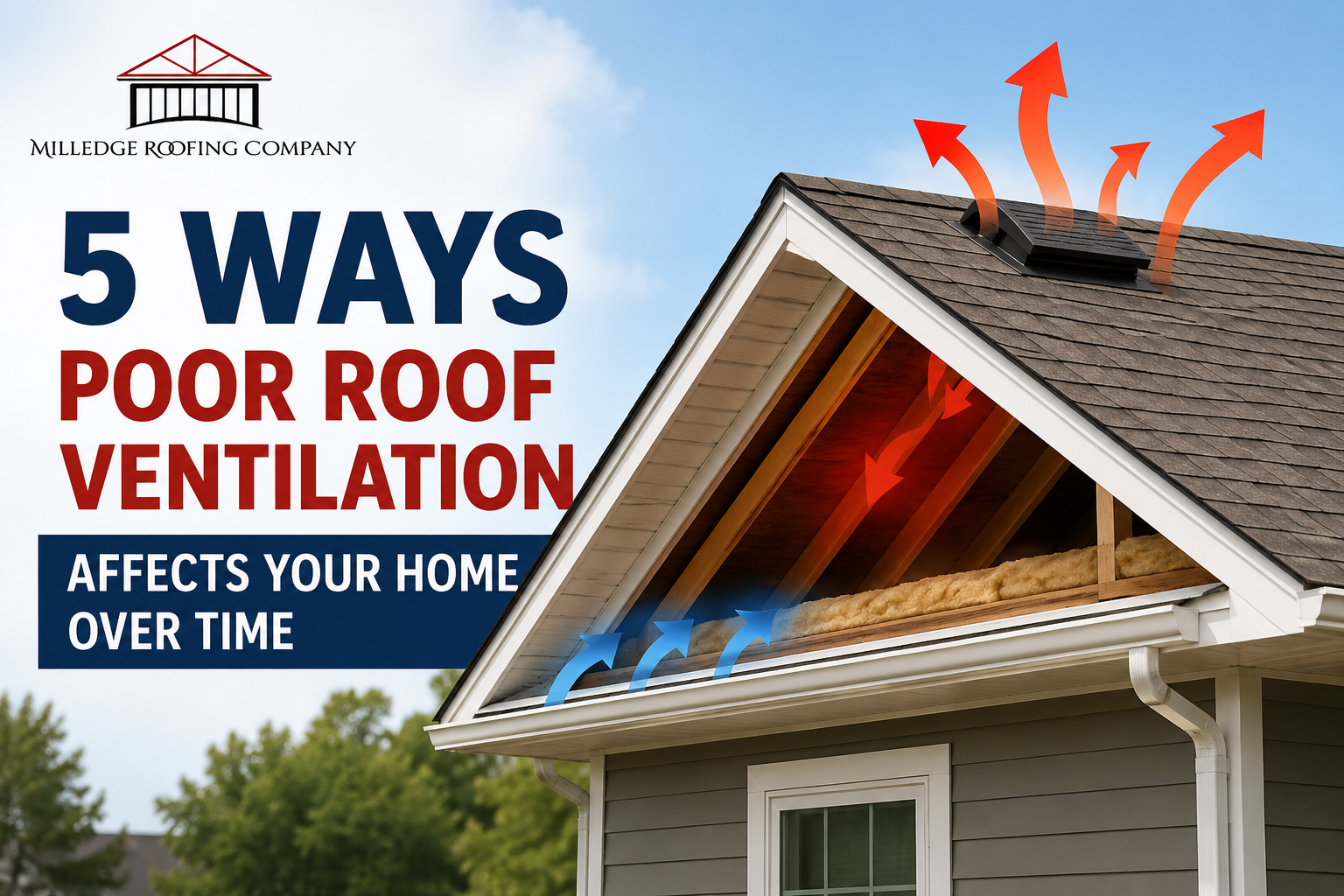
Roofing affects how well a home keeps heat in or out. Older roofs often lose energy, which raises utility bills. This cost is easy to overlook.
What usually works is improving insulation and ventilation along with roofing. What often fails is ignoring energy loss.
Heat enters more easily in summer
Warm air escapes in winter
HVAC systems work harder
Energy bills go up over time
A better roof can reduce monthly expenses.
Why Cheap Options Can Cost More Later
It’s tempting to go with the lowest price. But cheap materials or poor installation often lead to more problems.
What works is thinking long-term. What fails is focusing only on the initial price.
Low-cost materials wear out faster
Repairs become frequent
Energy loss continues
Replacement comes sooner
Saving money upfront can backfire.
When Replacement Becomes the Better Investment
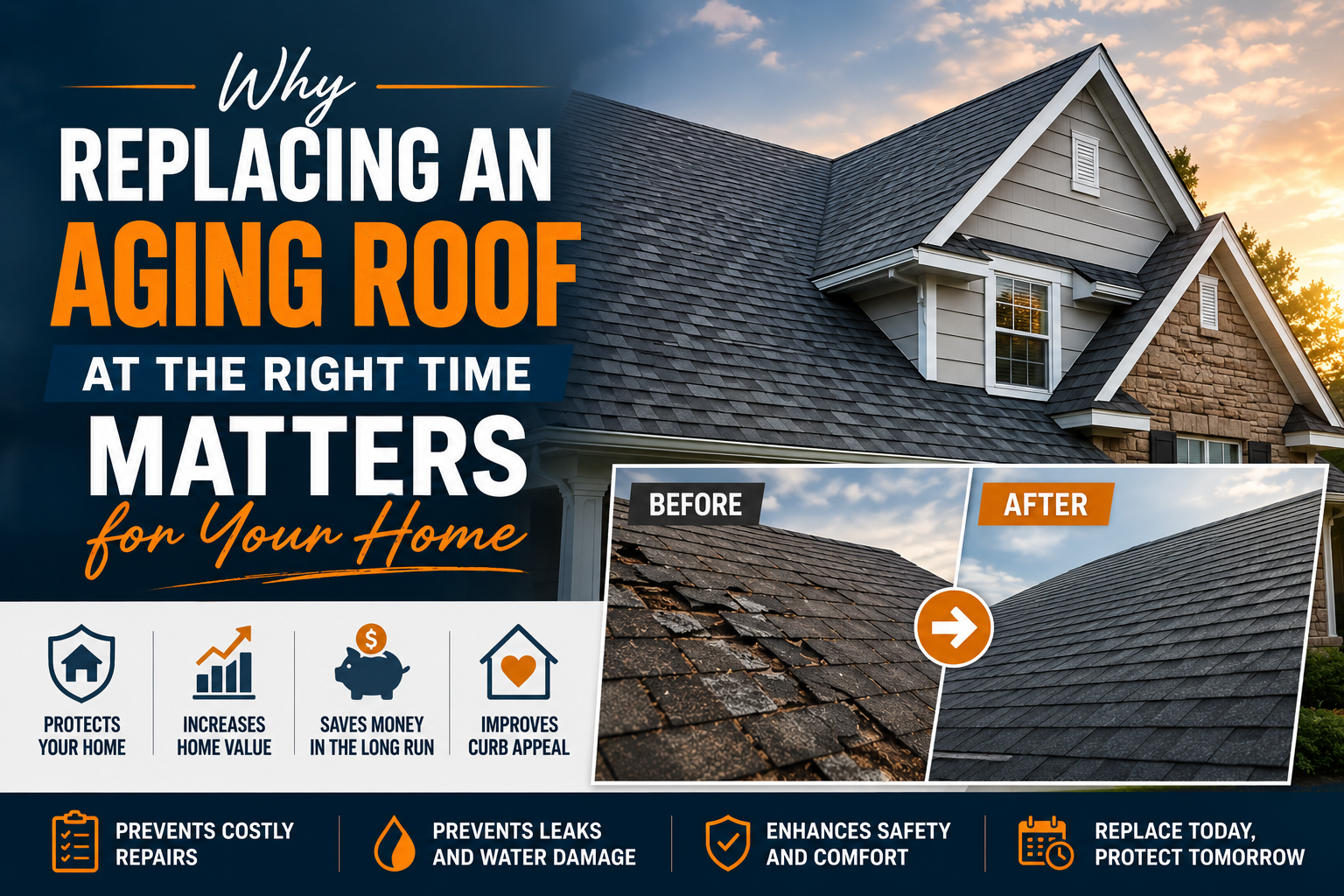
There comes a point when replacing the roof is more practical than repairing it. This usually happens when costs start stacking up without real improvement.
For many homeowners, this is when Roof Replacement in Madison becomes the smarter option.
Repairs don’t last long
Costs increase every year
Comfort inside the home drops
Roof age is beyond its limit
Replacement resets everything.
How Planning Helps Control Costs
Planning ahead can reduce financial stress. Waiting for an emergency often leads to rushed decisions and higher expenses.
What usually works is preparing early. What often fails is reacting too late.
Schedule regular inspections
Set a budget over time
Watch for early warning signs
Compare options before urgency
Planning gives better control over spending.
One Honest Judgment About Roofing Costs
One common mistake is thinking roofing is just another expense to delay. But waiting often makes things worse. Small issues grow into bigger ones, and costs rise quickly. In many cases, acting early saves both money and stress.
A roof is not something that rewards delay.
Balancing Budget and Long-Term Value
The right roofing option is not always the cheapest or the most expensive. It’s the one that offers the best value over time.
What works is balancing short-term and long-term thinking. What fails is choosing based on price alone.
Look beyond initial cost
Consider lifespan of materials
Factor in energy savings
Think about future repairs
Smart decisions come from looking at the full picture.
Conclusion
Choosing the right roofing option depends on several cost factors, including roof condition, material choice, labor, repair history, and energy efficiency. Focusing only on the lowest price often leads to higher expenses later. Understanding these factors helps homeowners make better decisions that protect both their home and their budget. Taking action at the right time can prevent ongoing repairs and rising costs. Working with experienced professionals like Milledge Roofing Company helps homeowners weigh their options clearly and choose a roofing solution that offers real value and long-term peace of mind.
FAQs
1. What is the biggest cost factor in roofing?
The condition of the roof is usually the biggest factor, as it determines whether repair or replacement is needed.
2. Are more expensive materials always better?
Not always, but they often last longer and require less maintenance.
3. How do repairs compare to replacement costs?
Repairs cost less upfront but can add up over time if done frequently.
4. Can a new roof lower energy bills?
Yes, better materials and sealing can improve energy efficiency.
5. How often should a roof be inspected?
At least once a year and after major storms.
6. Is it worth replacing a roof before it fails?
Yes, early replacement can prevent bigger damage and higher costs.

Write a comment ...