
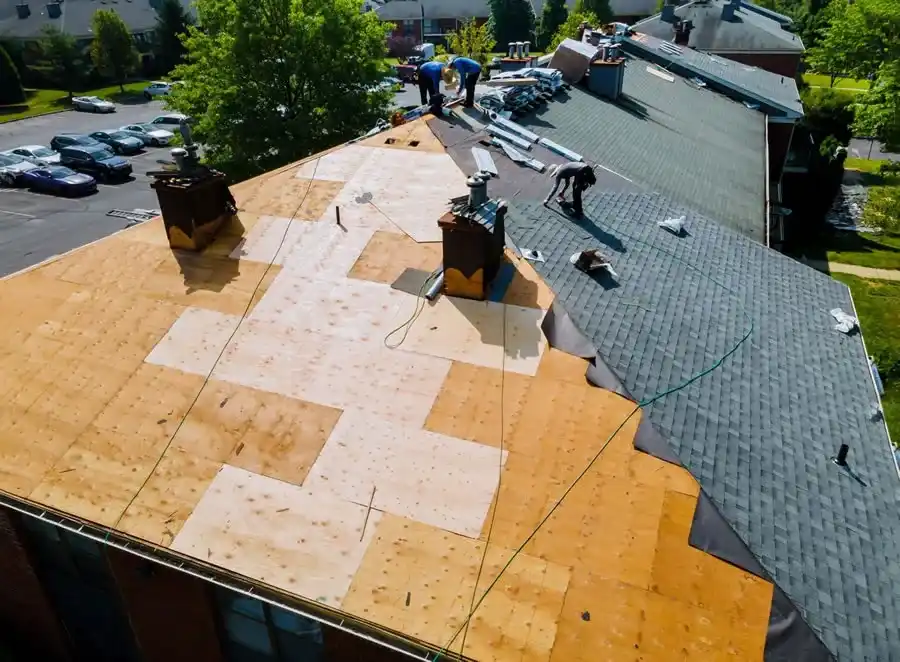
Your roof works hard every day to protect your home from rain, wind, heat, and changing weather. But like any part of a house, it does not last forever. Many homeowners wait until major problems appear before taking action. Unfortunately, delaying a roof replacement can lead to bigger repair bills and avoidable damage. This is why many homeowners eventually consider dependable roof replacement in Winder when signs of roof aging become harder to ignore. According to the U.S. Department of Energy, proper roofing and attic systems can also affect energy efficiency and home comfort. Replacing an aging roof at the right time can help prevent many costly issues before they start.
A roof does not need to be falling apart before it deserves attention.
Understanding the Lifespan of a Roof
Every roofing system has a limited lifespan. The exact number of years depends on the material, weather conditions, maintenance, and installation quality.
What usually works is paying attention to the age of the roof. What often fails is assuming a roof will last indefinitely.
Asphalt shingles typically last 20–30 years
Metal roofs often last longer
Severe weather can shorten roof life
Poor maintenance speeds up deterioration
Knowing the age of the roof helps homeowners plan ahead.
Signs Your Roof May Be Aging
Roof aging often happens gradually. Small warning signs may appear long before major leaks develop.
What works is addressing concerns early. What fails is ignoring visible signs of wear.
Curling or cracked shingles
Missing roofing materials
Granules collecting in gutters
Frequent repair needs
These warning signs should not be overlooked.
Why Small Problems Often Become Bigger Ones
Many homeowners delay action because the damage seems minor. Unfortunately, roofing issues rarely improve on their own.
What usually works is fixing problems while they are manageable. What often fails is waiting for a major leak.
Small leaks spread moisture
Damaged shingles expose underlying materials
Water can reach attic spaces
Repair costs often increase over time
A small roofing issue today can become a major expense later.
How an Aging Roof Can Affect Energy Costs
Older roofs often become less effective at helping regulate indoor temperatures. This can put additional strain on heating and cooling systems.
What works is maintaining a well-functioning roofing system. What fails is overlooking gradual efficiency losses.
More heat enters during summer
Warm air escapes during winter
HVAC systems work harder
Utility bills may increase
Many homeowners are surprised by the connection between roofing and energy costs.
Water Damage Is One of the Biggest Risks
Water intrusion is one of the most common consequences of an aging roof. Even a small opening can allow moisture to enter the home.
What usually works is addressing roof issues before leaks spread. What often fails is waiting until interior damage appears.
Ceilings may develop stains
Drywall can weaken
Mold may begin to grow
Insulation can become damaged
Water damage often costs much more than the original roof repair.
Protecting the Structure of Your Home
The roof protects more than just the interior living space. It also helps shield the home's structural components.
What works is keeping moisture away from framing and decking. What fails is allowing water to penetrate roofing layers.
Roof decking may rot
Wooden supports can weaken
Structural repairs become expensive
Damage may spread unseen
Protecting the roof helps protect the entire home.
Why Frequent Repairs Can Become Costly
Repairs are valuable when damage is limited. However, repeated repairs on an aging roof may not always be the most practical solution.
What usually works is evaluating long-term costs. What often fails is focusing only on short-term savings.
Repair bills add up over time
Problems may keep returning
Different roof areas may begin failing
Homeowners spend more without solving the root issue
There comes a point when replacement makes more financial sense.
Better Protection During Severe Weather
Older roofs are often more vulnerable to storms, heavy rain, and strong winds. Materials weaken over time and become less reliable.
What works is replacing aging materials before severe weather causes major problems. What fails is waiting until storm damage occurs.
Shingles may loosen more easily
Water can enter exposed areas
Existing damage may worsen
Emergency repairs become more likely
A strong roof provides better protection when weather conditions become challenging.
Maintaining Property Value
A roof is one of the first things people notice about a home. Its condition can affect overall property value.
What usually works is maintaining important home systems. What often fails is allowing visible deterioration to continue.
Homes appear better maintained
Buyers often prefer newer roofs
Inspection concerns are reduced
Property value may remain stronger
Roof replacement is often viewed as an investment rather than an expense.
One Honest Judgment About Roof Replacement
One common mistake is waiting until a roof begins leaking badly before considering replacement. In many cases, the damage has already spread by then. Homeowners who act when warning signs first appear usually face fewer surprises and lower long-term costs.
Replacing a roof before major failure often saves both money and stress.
When It May Be Time for a New Roof
Every home is different, but some situations clearly suggest replacement should be considered.
For many homeowners, roof replacement in Winder becomes the logical choice when repairs are becoming frequent and roofing materials are nearing the end of their lifespan.
The roof is over 20 years old
Leaks continue returning
Shingle damage is widespread
Repair costs keep increasing
Recognizing these signs early can help avoid larger problems.
The Value of Professional Inspections
Regular roof inspections help homeowners understand the condition of their roofing system. They provide useful information for planning repairs or replacement.
What usually works is scheduling inspections before major issues develop. What often fails is waiting until visible damage appears.
Small problems are identified sooner
Homeowners gain better planning options
Hidden damage can be detected
Roofing lifespan may improve
Inspections help reduce uncertainty and support smarter decisions.
Conclusion
Replacing an aging roof at the right time can help prevent water damage, rising energy costs, structural problems, and repeated repair expenses. While it may be tempting to postpone replacement, waiting too long often creates larger issues that cost more to fix. Paying attention to warning signs and addressing roofing concerns early helps protect the home and avoid unnecessary stress. Homeowners who take a proactive approach usually benefit from better protection, improved efficiency, and fewer surprises. Working with experienced professionals like Milledge Roofing Company can help homeowners make informed decisions and keep their homes protected for years to come.
FAQs
1. How do I know if my roof is too old?
Most roofs show signs such as missing shingles, curling edges, leaks, and frequent repair needs as they age.
2. Can an aging roof increase energy bills?
Yes. Older roofing systems may allow more heat transfer, causing heating and cooling systems to work harder.
3. Is replacing a roof better than constant repairs?
If repairs are becoming frequent and costly, replacement may provide better long-term value.
4. How often should a roof be inspected?
Most experts recommend at least one inspection annually and after severe storms.
5. Can roof problems affect home value?
Yes. A worn roof can reduce curb appeal and raise concerns during home inspections.
6. What is the biggest risk of delaying roof replacement?
Water damage is often the most significant risk because it can affect multiple parts of the home and lead to costly repairs.


Write a comment ...