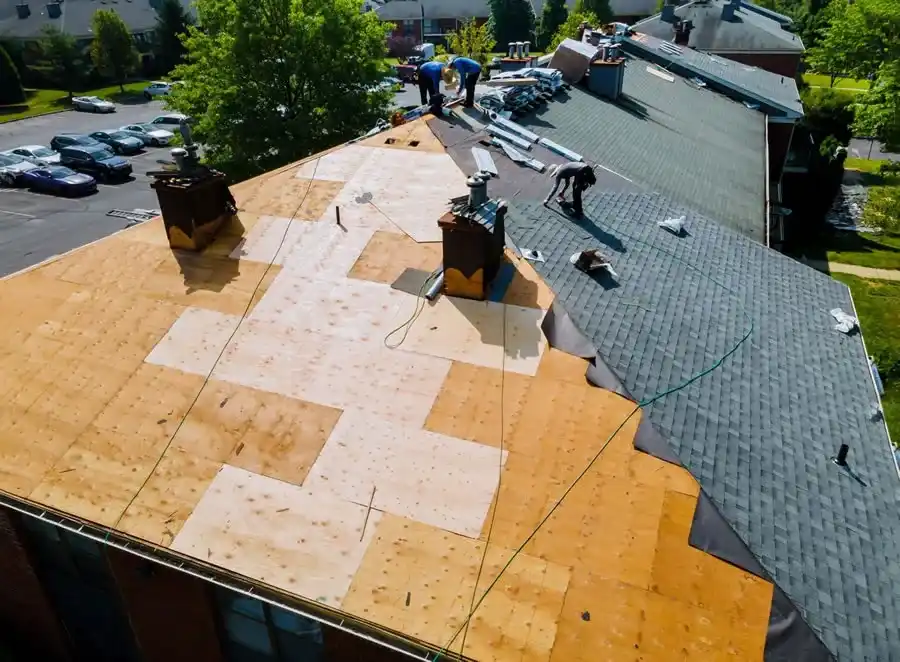
Most homeowners don’t think about their roof unless something goes wrong. That’s usually a mistake. Roof problems rarely start big. They begin as small cracks, loose shingles, or tiny leaks that stay hidden for months. I’ve seen many people rush into full roof replacement in Winder when a simple inspection months earlier could have saved them thousands. Roof inspections may not feel urgent, but they are one of the smartest habits a homeowner can build.
A roof doesn’t fail overnight. It gives warnings. The problem is that most people don’t look up often enough to notice them.
Why Roof Inspections Matter More Than People Think
Roof inspections help spot problems early, before they grow into major damage. Many homeowners assume inspections are only needed after storms or leaks. That belief often leads to costly repairs that could have been avoided.
From what usually works, routine inspections catch issues while they’re still cheap to fix. What often fails is waiting until water stains show up inside the house.
Small damage gets fixed before spreading
Repairs stay affordable
Roof life gets extended
Surprise emergencies are reduced
In my opinion, skipping inspections is one of the biggest reasons roofs fail early.
Small Roof Problems Grow Faster Than Expected
One loose shingle may not seem like a big deal. But once wind lifts it, rain finds a way in. Water spreads quietly under shingles and into wood layers. The way small issues develop often depends on your roofing material types, since some materials are easier to repair while others can hide damage longer.
What usually works is fixing small issues right away. What fails is ignoring “minor” damage.
Loose shingles allow water entry
Tiny cracks widen with weather changes
Moisture weakens roof decking
Repairs turn expensive fast
Roofs are unforgiving when small problems are ignored.
What a Proper Roof Inspection Actually Looks For
A good inspection isn’t just someone glancing at shingles. It involves checking areas people don’t think about. Flashing, vents, gutters, and roof edges are often where problems start.
I’ve noticed that inspections fail when they’re rushed. A real inspection takes time and attention.
Shingles for cracks or curling
Flashing around chimneys and vents
Gutter condition and drainage
Soft spots or sagging areas
A careful inspection sees trouble before it becomes visible inside the home.
Why Leaks Are the Most Expensive Roof Problem
Leaks are tricky. Water doesn’t drip straight down. It travels along beams and insulation before showing up on ceilings or walls. That’s why leaks often cause more damage than expected.
What works is stopping leaks early. What fails is assuming the stain is small, so the problem must be small too.
Water damages insulation
Mold grows in hidden spaces
Wood rot spreads quietly
Interior repairs add extra cost
Once water enters the home, repairs are never cheap.
How Inspections Help Extend Roof Life
Roofs don’t wear out only because of age. They wear out because small issues pile up. Regular inspections help manage wear and tear instead of letting it stack up year after year.
In my experience, roofs that get checked regularly last much longer than those that don’t.
Prevents early shingle failure
Reduces stress on roof layers
Keeps ventilation working properly
Delays full replacement needs
Inspections don’t just save money. They buy time.
Storm Damage Isn’t Always Obvious
After a storm, most people look for missing shingles and call it a day. That’s risky. Wind can loosen shingles without tearing them off. Hail can crack shingles without leaving visible holes.
What works is inspecting after storms. What fails is assuming no visible damage means no damage.
Wind lifts shingle edges
Hail weakens shingle surfaces
Flashing gets loosened
Debris blocks drainage paths
Storm damage often hides until the next heavy rain.
Why Gutters and Roofs Must Be Checked Together
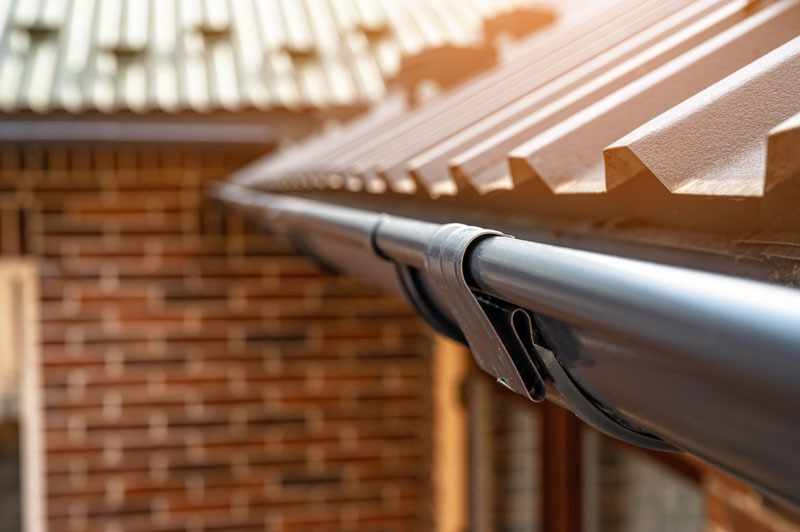
Gutters are part of the roofing system. When they clog or pull away, water backs up onto the roof. That extra moisture speeds up shingle damage and leads to leaks along roof edges.
Many inspections miss this connection. That’s a mistake.
Clogged gutters trap water
Overflow damages roof edges
Ice buildup worsens winter damage
Fascia boards rot faster
A roof inspection without checking gutters is incomplete.
When Inspections Can Prevent Full Replacement
Many homeowners only think about inspections after major damage. By then, replacement becomes the only option. I’ve seen cases where early inspections could have avoided Roof Replacement in Winder altogether.
What works is catching damage early. What fails is waiting until repairs cost more than replacement.
Repairs stay manageable
Structural damage stays limited
Insurance claims get simpler
Roof replacement gets delayed
Inspections give homeowners options instead of forcing decisions.
How Often Roof Inspections Should Happen
Once every year works well for most homes. After major storms, an extra inspection is smart. Skipping years almost always leads to surprise repairs.
What usually works is yearly checks. What fails is waiting until something leaks.
Annual inspections catch slow damage
Storm checks catch sudden issues
Older roofs need closer attention
Regular checks build peace of mind
Consistency matters more than perfection.
Conclusion
Proper roof inspections are one of the simplest ways to prevent expensive repairs. Small issues almost always show up before major damage happens. The problem is that many homeowners ignore the warning signs or assume the roof is fine because nothing is leaking yet.
Regular inspections help catch loose shingles, hidden moisture, storm damage, and drainage problems before they turn into major repairs or full replacement. Working with experienced professionals like Milledge Roofing Company gives homeowners honest insight into what needs fixing now and what can wait, helping them protect their roof, their home, and their budget for the long run.
FAQs
1. How often should I have my roof inspected?
Most homeowners benefit from a full roof inspection at least once a year. After major storms, an extra inspection is a smart idea to catch hidden damage early.
2. Can a roof inspection prevent a full roof replacement?
Yes. Many problems are small at first. Catching them early through inspections can save money and delay or even prevent a full replacement.
3. What do roof inspectors look for?
Inspectors check shingles, flashing, gutters, vents, and the roof structure. They look for cracks, loose shingles, water damage, sagging areas, and signs of storm damage.
4. Are DIY roof checks enough?
DIY checks can help spot obvious issues, but professionals see hidden damage and know what signs lead to bigger problems. A professional inspection is much safer and more thorough.
5. How much can a roof inspection save me?
Early detection of leaks, loose shingles, or drainage issues can prevent thousands in repair costs. Spending a small amount on an inspection can save a lot in future repairs.
6. What happens if my roof passes an inspection?
A clean inspection report gives peace of mind. It confirms that the roof is in good shape, identifies minor repairs if needed, and helps you plan maintenance for the future.




Write a comment ...