
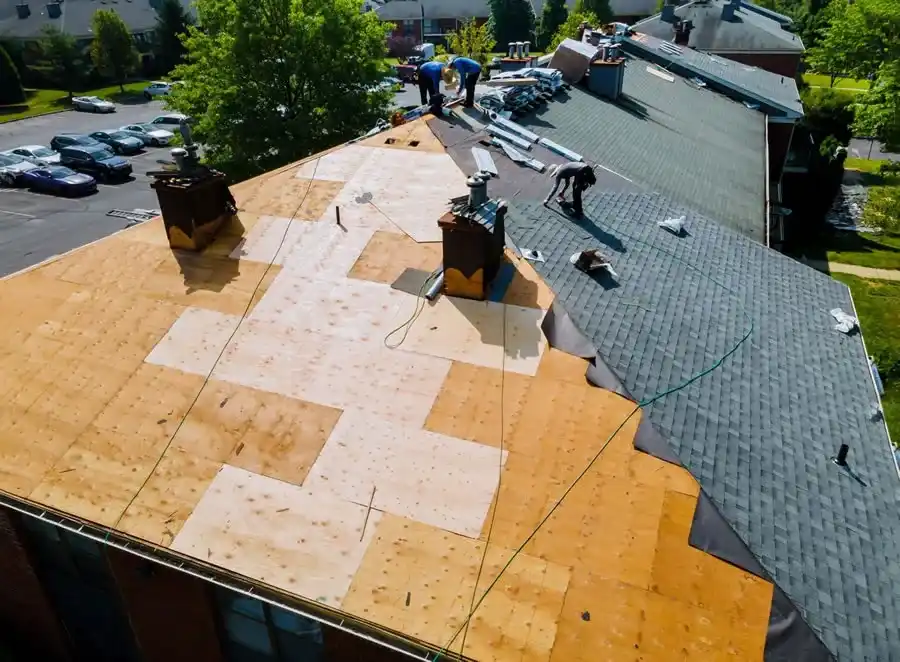
Changing a roof is not something most homeowners think about often. Honestly, most people ignore it until a leak shows up or shingles start falling into the yard. Then suddenly it becomes urgent.
If you’re considering a reliable roof replacement in Athens, it’s worth slowing down and asking a few practical questions first. I’ve seen many homeowners rush into roof work and regret it later—usually because they didn’t ask the right things at the start.
A roof replacement can cost a lot of money. But if done right, it can also protect your home for decades.
1. Do I Actually Need a New Roof?
This is the first question, and honestly, it’s the one people skip the most.
Not every roof problem means you need a full replacement. Sometimes it’s just a small repair. Maybe a few loose shingles or a flashing issue around a vent.
What usually works is getting a proper inspection first. A good roofer will check the attic, the decking, and the shingles.
What often fails? Hiring someone who immediately says, “You need a whole new roof.” That’s sometimes true, but not always.
If the damage is small, repairs could buy you several more years.
2. How Old Is My Roof?
Age matters more than people think.
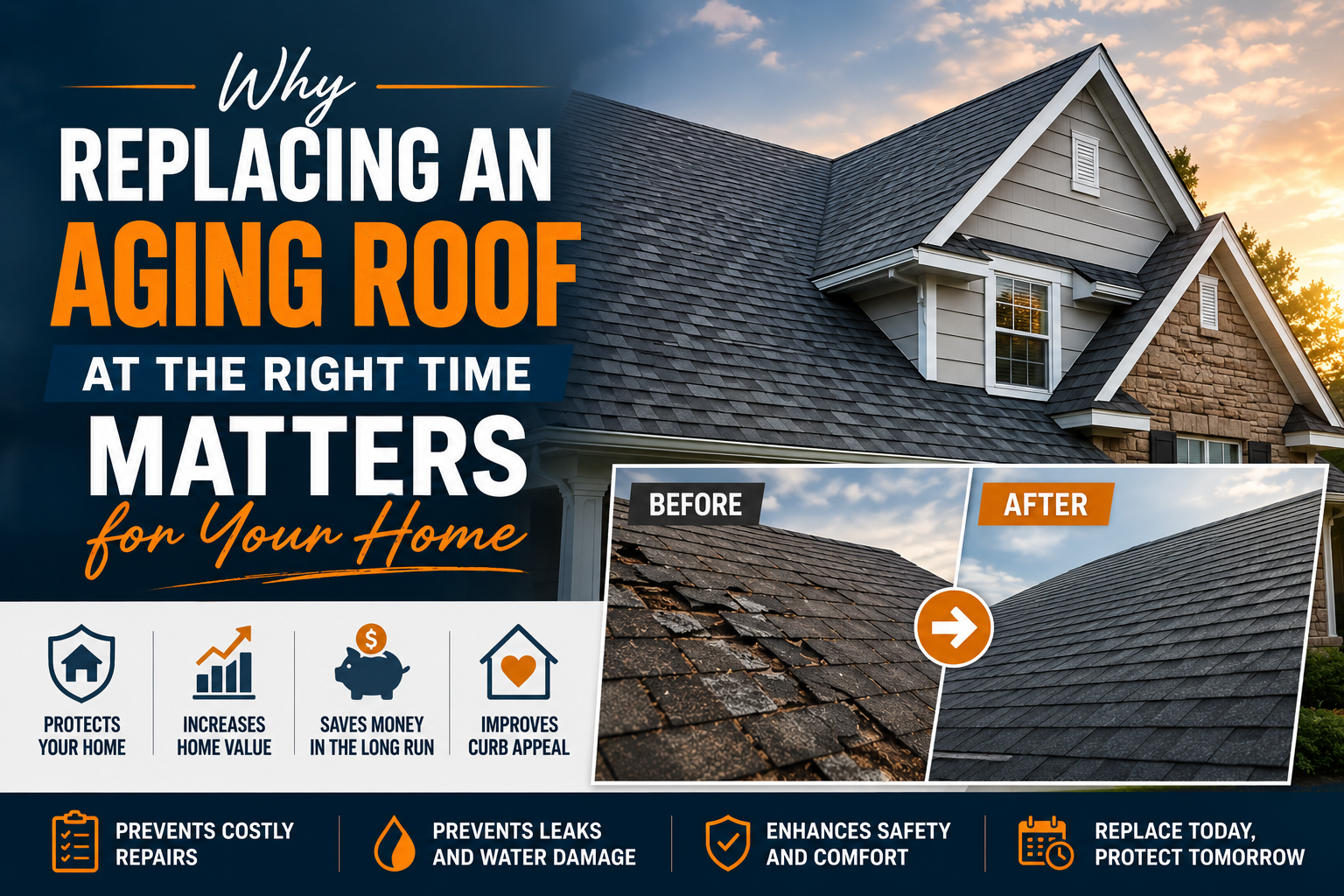
Most asphalt shingle roofs last around 20 to 25 years. Sometimes a little more if they were installed well. Sometimes less if storms hit often. There are also signs you may need a new roof even before the 20-year mark.
If your roof is already 22 or 23 years old, repairs might just be delaying the inevitable.
Personally, I think once a roof passes the 20-year mark, replacement becomes the smarter long-term decision. Repairs start adding up quickly.
3. Are the Problems Getting Worse?
Some homeowners patch the same area over and over. That’s usually a sign the roof system is wearing out.
Things that usually mean bigger trouble include:
Multiple leaks
Shingles curling or cracking
Dark streaks or moss
Sagging spots
Granules filling the gutters
If you see several of these at once, repairs probably won’t hold for long.

4. Which Roofing Material Makes the Most Sense?
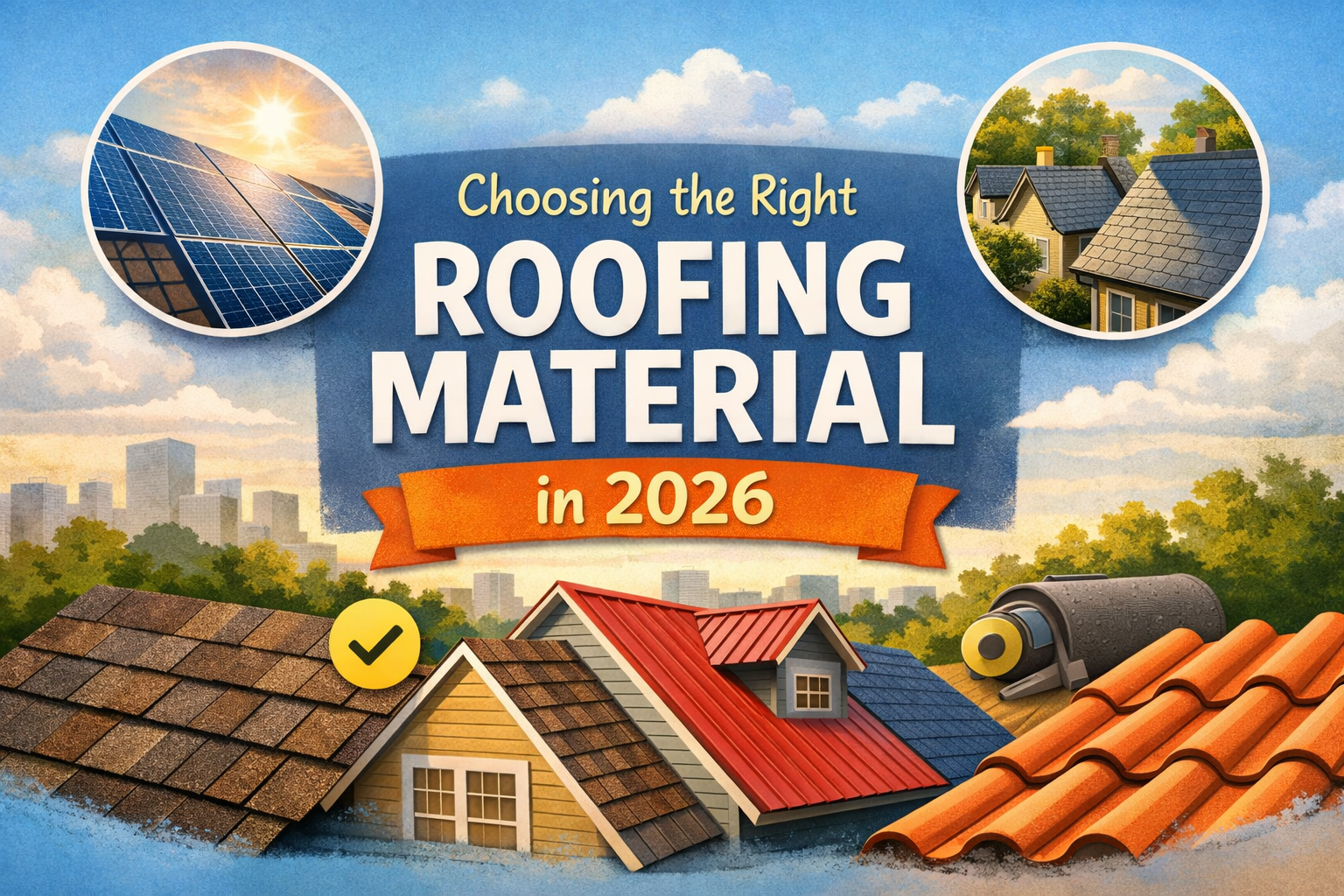
This is where homeowners often get overwhelmed. There are many roofing materials out there.
In Athens, asphalt shingles are still the most common. They’re affordable and fairly reliable.
Metal roofs are growing in popularity too. They last longer and handle heat well.
Here’s my honest opinion:
For most homes, good-quality asphalt shingles installed properly work perfectly fine.
What usually fails isn’t the material—it’s the installation.
A poorly installed expensive roof can fail faster than a properly installed affordable one.
5. What Is My Real Budget?
Roof replacement costs vary a lot. Size, materials, and labor all affect the price.
Some homeowners try to go with the absolute cheapest quote. That often backfires.
Cheap bids sometimes mean:
Lower quality materials
Rushed installation
Limited warranty coverage
What usually works better is choosing a fair, middle-range estimate from a trusted contractor.
You don’t always need the most expensive option. But going too cheap can cause problems later.
6. Who Is Actually Installing the Roof?
This question matters more than most people realize.
Some companies sell the job and then send subcontractors you’ve never met.
That’s not always bad, but it’s good to know who will actually be on your roof.
Ask things like:
Are the workers insured?
How long have they been installing roofs?
Who supervises the job?
Roofing is a skilled job. Experience makes a big difference.
7. What Kind of Warranty Do I Get?
Roof warranties can be confusing. There are usually two types.
Material warranty – from the manufacturer
Workmanship warranty – from the contractor
What usually works is having both.
But here’s the thing many homeowners don’t realize:
If installation is done incorrectly, the material warranty may not help much.
That’s another reason choosing the right contractor matters so much.
8. How Long Will the Job Take?
Most homeowners worry about this.
The good news is that many residential roof replacements are actually pretty fast.
For an average home, it usually takes one to three days.
Weather can slow things down, though. Rain obviously stops roofing work.
What helps the process go smoothly is when the contractor has enough workers and materials ready before starting.
9. Will Insurance Cover Any of the Cost?
Sometimes yes. Sometimes no.
If your roof was damaged by things like:
Storms
Hail
Falling tree branches
Insurance may help cover the replacement.
But if the roof is simply old and worn out, insurance usually won’t pay.
What usually works is having a roofer inspect the damage and provide documentation if you plan to file a claim.
10. What Happens After the New Roof Is Installed?
A new roof still needs some care.
You don’t need to obsess over it, but a little maintenance goes a long way.
Simple things help a lot:
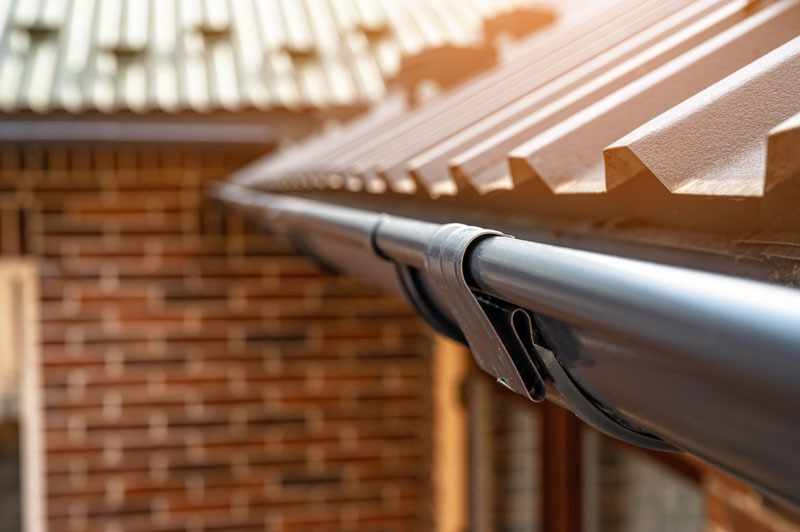
Keep gutters clean
Remove leaves and debris
Trim tree branches near the roof
Check things after big storms
What often fails is when homeowners forget about the roof completely until another leak appears years later.
A quick yearly check can prevent bigger problems and save you a lot of money.
Conclusion
Replacing a roof isn’t the most exciting home project, but it’s definitely one of the most important. From what I’ve seen, the biggest mistakes homeowners make are rushing the decision and choosing the cheapest option without asking enough questions.
Taking a little extra time to plan a roof replacement in Athens can save a lot of stress later. Working with a trusted local contractor like Milledge Roofing Company can also make the process much smoother and give you confidence that the job will be done right.
A good roof should protect your home quietly for decades. When it’s done right, you almost forget it’s even there—and honestly, that’s exactly how it should be.
FAQs
1. How do I know if my roof needs replacement?
You should look for signs like repeated leaks, damaged shingles, or a roof that’s over 20 years old.
2. How long does roof replacement usually take?
Most homes can be completed in one to three days, depending on size and weather.
3. What roofing material is most common in Athens?
Asphalt shingles are the most common because they are affordable and reliable.
4. Can I stay in my house during roof replacement?
Yes. It can be noisy, but most homeowners stay in the house while work is happening.
5. Will a new roof increase my home’s value?
In many cases, yes. Buyers feel more comfortable when they know the roof is new.
6. Does homeowners insurance pay for roof replacement?
Insurance usually covers damage caused by storms or accidents, but not normal aging.
7. How often should I check my roof?
A quick inspection once a year and after major storms is usually enough.
8. What is the biggest mistake people make with roof replacement?
In my opinion, the biggest mistake is choosing the cheapest contractor without checking their experience or reputation.


Write a comment ...