
Choosing the right roofing material in 2026 is not as simple as picking what looks good. The roof affects comfort, energy bills, repairs, and long-term value. Many homeowners start this process while planning full roof replacement in Monroe, hoping to avoid mistakes that cost money later. The truth is, some materials work great for certain homes, while others fail faster than expected. Knowing what usually works—and what often doesn’t—makes the decision much easier.
Roofing trends change, but the basics still matter.
Why Roofing Material Choice Matters More Than Ever
Homes today face stronger weather, hotter summers, and higher energy costs. Roofing materials now play a bigger role in protecting the structure and keeping indoor temperatures stable. A poor choice can lead to early repairs and higher monthly bills.
What usually works is matching the material to the home and climate. What often fails is choosing based on looks alone.
Roof materials affect energy use
Weather resistance matters more now
Repairs vary by material
Lifespan differs widely
A roof is not just a cover. It’s a system.
Understanding Your Local Climate First
Climate should always guide roofing decisions. Heat, humidity, rain, and storms all affect how materials perform. Some roofs hold up well in hot weather, while others break down faster.
What works is picking materials designed for local conditions. What fails is copying choices from other regions.
Heat resistance matters in warm areas
Moisture control prevents rot
Storm durability reduces repairs
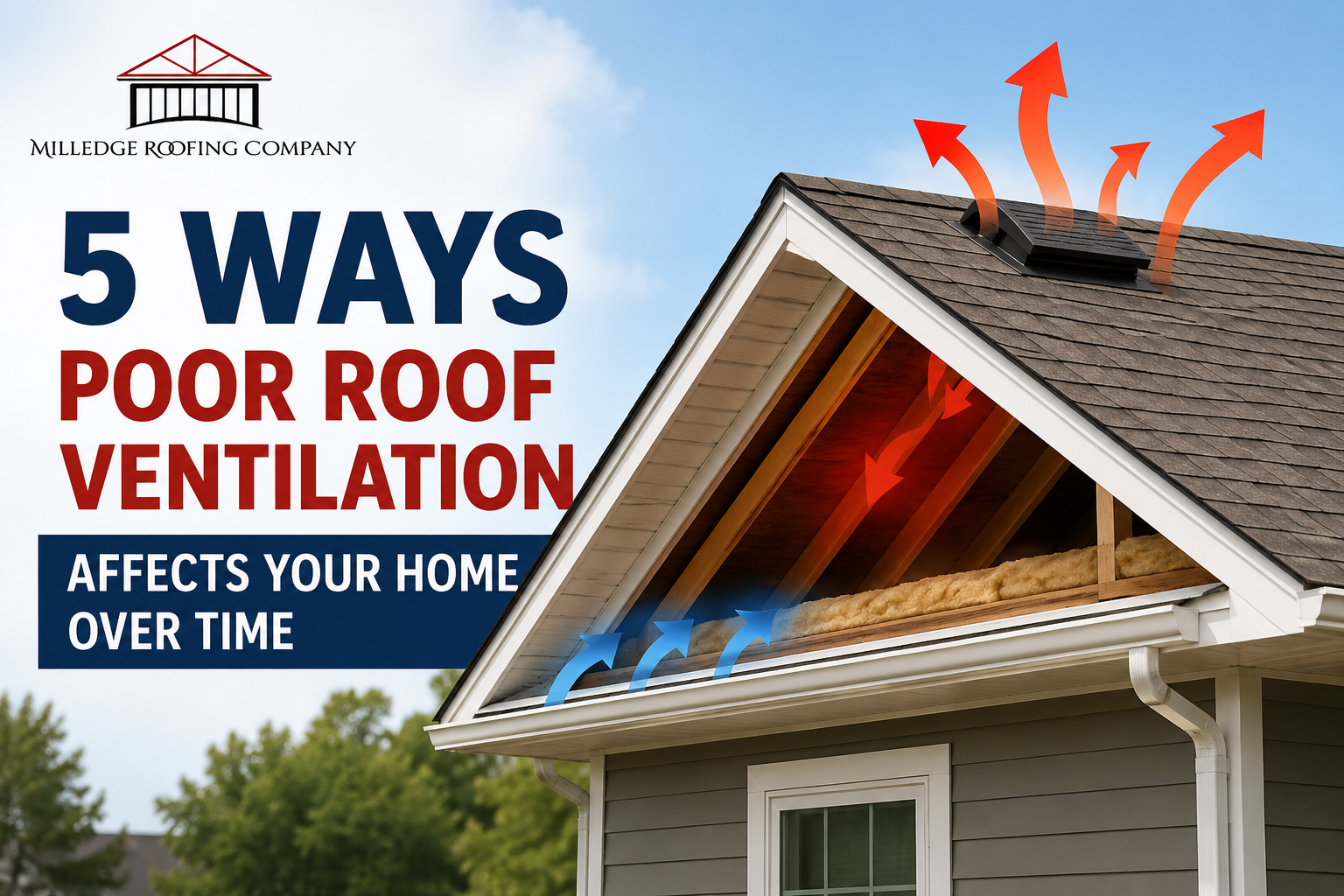
Ventilation compatibility is key
Ignoring climate shortens roof life quickly.
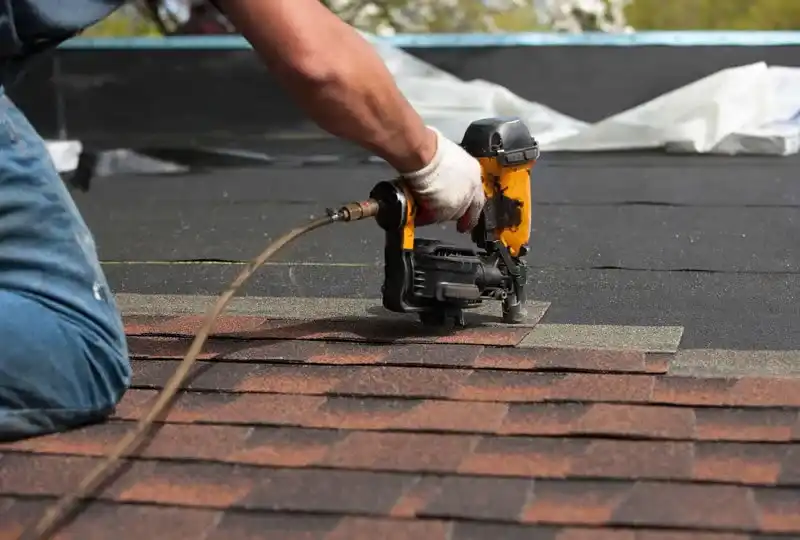
Asphalt Shingles: Popular but Not Perfect
Asphalt shingles remain the most common roofing material. They are affordable and easy to install. However, they don’t last as long as many homeowners expect, especially if ventilation is poor.
What usually works is choosing quality shingles. What often fails is going with the cheapest option.
Lower upfront cost
Easy repairs
Moderate lifespan
Sensitive to heat buildup
Asphalt shingles are practical, not premium.
Metal Roofing: Durable but Not for Every Home
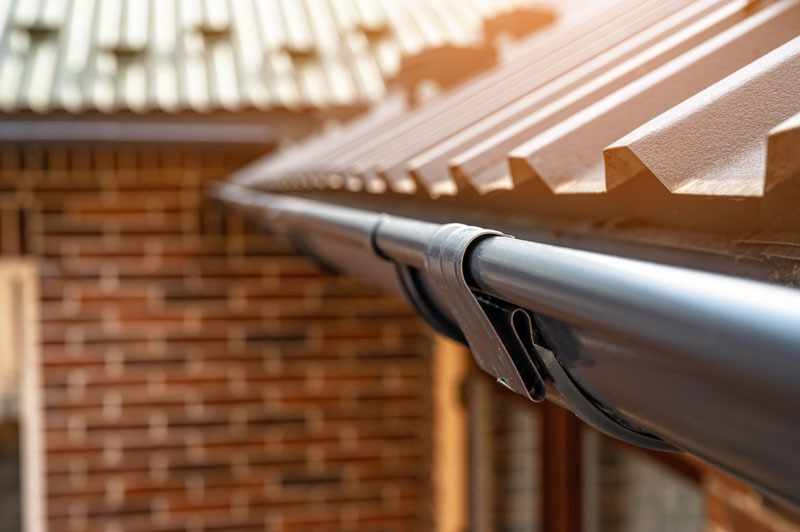
Metal roofs have gained popularity for their long lifespan and strength. They reflect heat well and resist many weather issues. Still, they can be noisy and expensive upfront.
What works is proper installation. What fails is cutting corners.
Long lifespan
Strong weather resistance
Energy-efficient surface
Higher initial cost
Metal roofing is a long-term commitment.
Tile Roofing: Strong but Heavy
Tile roofs look great and last a long time. They handle heat well and resist fire. The downside is weight and cost. Not all homes can support tile without structural changes.
What works is checking structural support first. What fails is assuming any home can handle tile.
Excellent heat resistance
Long lifespan
Heavy weight
Higher installation cost
Tile roofs demand preparation.
Wood Shingles: Natural Look, High Maintenance
Wood shingles offer a classic look that many homeowners love. However, they require regular care and don’t perform well in wet or humid conditions.
What usually works is proper upkeep. What often fails is neglect.
Natural appearance
Moderate insulation
High maintenance needs
Moisture sensitivity
Wood roofs reward care but punish neglect.
Composite Roofing: Balanced but Overlooked
Composite materials combine durability and appearance. They often mimic wood or slate without the same weight or maintenance. Many homeowners overlook them due to limited awareness.
What works is choosing trusted brands. What fails is assuming all composites are equal.
Balanced durability
Lower maintenance
Mid-range cost
Wide style options
Composite roofing is underrated.
Energy Efficiency and Roofing Materials
Energy costs continue to rise, making roof efficiency more important. Some materials reflect heat better and reduce attic temperatures. Others trap heat and strain HVAC systems.
What works is pairing the right material with ventilation. What fails is ignoring airflow.
Reflective surfaces reduce heat
Attic ventilation supports efficiency
Insulation works better with proper roofing
Energy savings add up
Roof choices affect monthly bills.
Maintenance and Repair Expectations
Every roofing material needs some level of maintenance. Some are easy to fix, while others require specialists. Understanding repair needs prevents surprises.
What usually works is planning ahead. What often fails is assuming a roof is maintenance-free.
Asphalt is easy to repair
Metal repairs cost more
Tile repairs take time
Wood needs regular care
Maintenance should never be an afterthought.
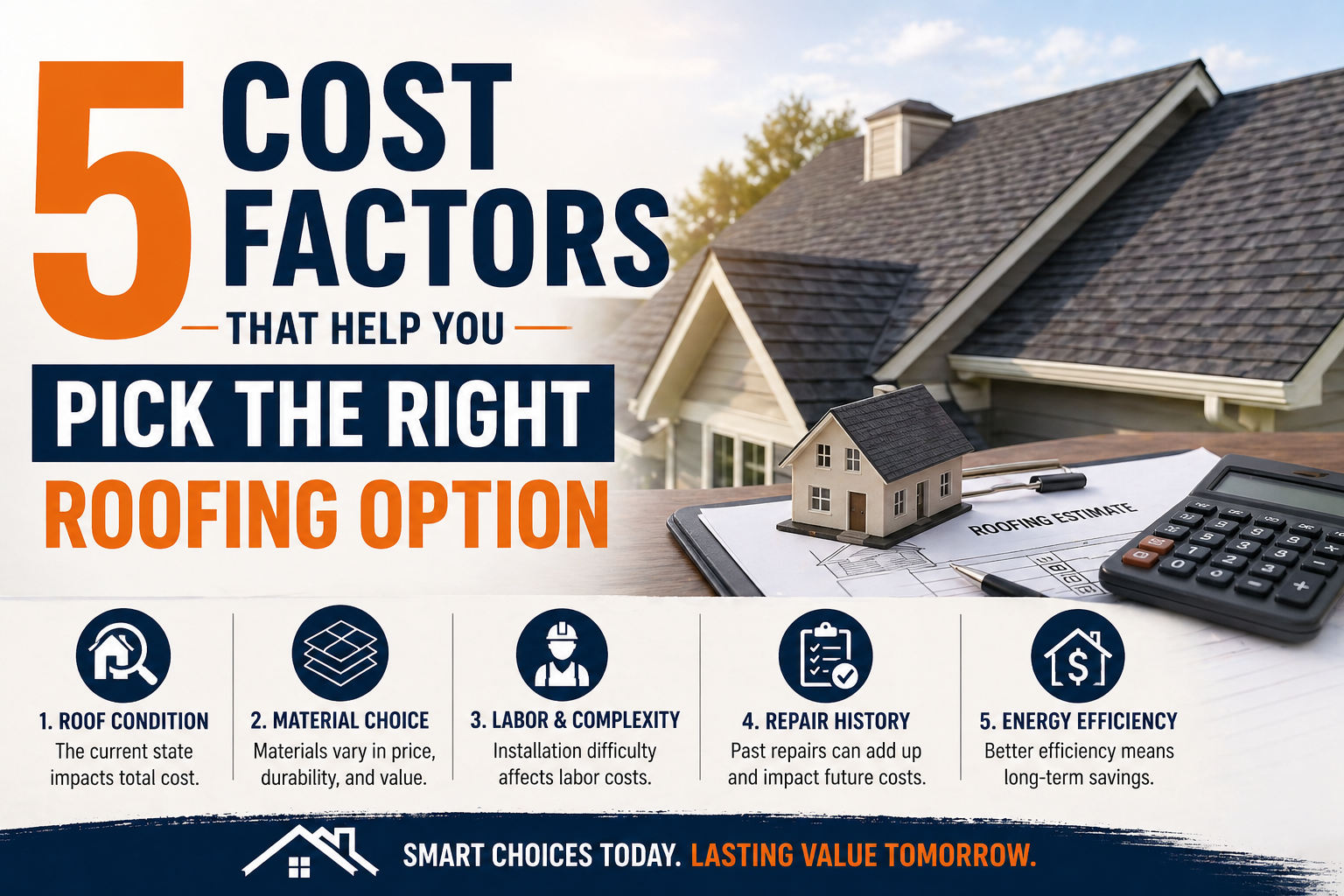
Budget vs Long-Term Value
Cheaper roofs often cost more over time due to repairs and early replacement. Higher upfront costs sometimes save money long term. The key is balancing budget with expected lifespan.
What works is thinking long-term. What fails is choosing only by price.
Low cost doesn’t mean value
Lifespan affects total cost
Repairs add up
Replacement timing matters
Balancing budget and lifespan is key. Homeowners can compare roofing options to make an informed choice. Short-term savings can lead to long-term costs.
Mistakes Homeowners Often Make
Many roofing mistakes come from rushing decisions. Choosing the wrong material, skipping inspections, or ignoring ventilation leads to problems later.
What usually works is slowing down. What often fails is rushing.
Skipping professional advice
Ignoring ventilation needs
Choosing looks over function
Underestimating maintenance
Most mistakes are avoidable.
When Replacement Becomes the Right Move
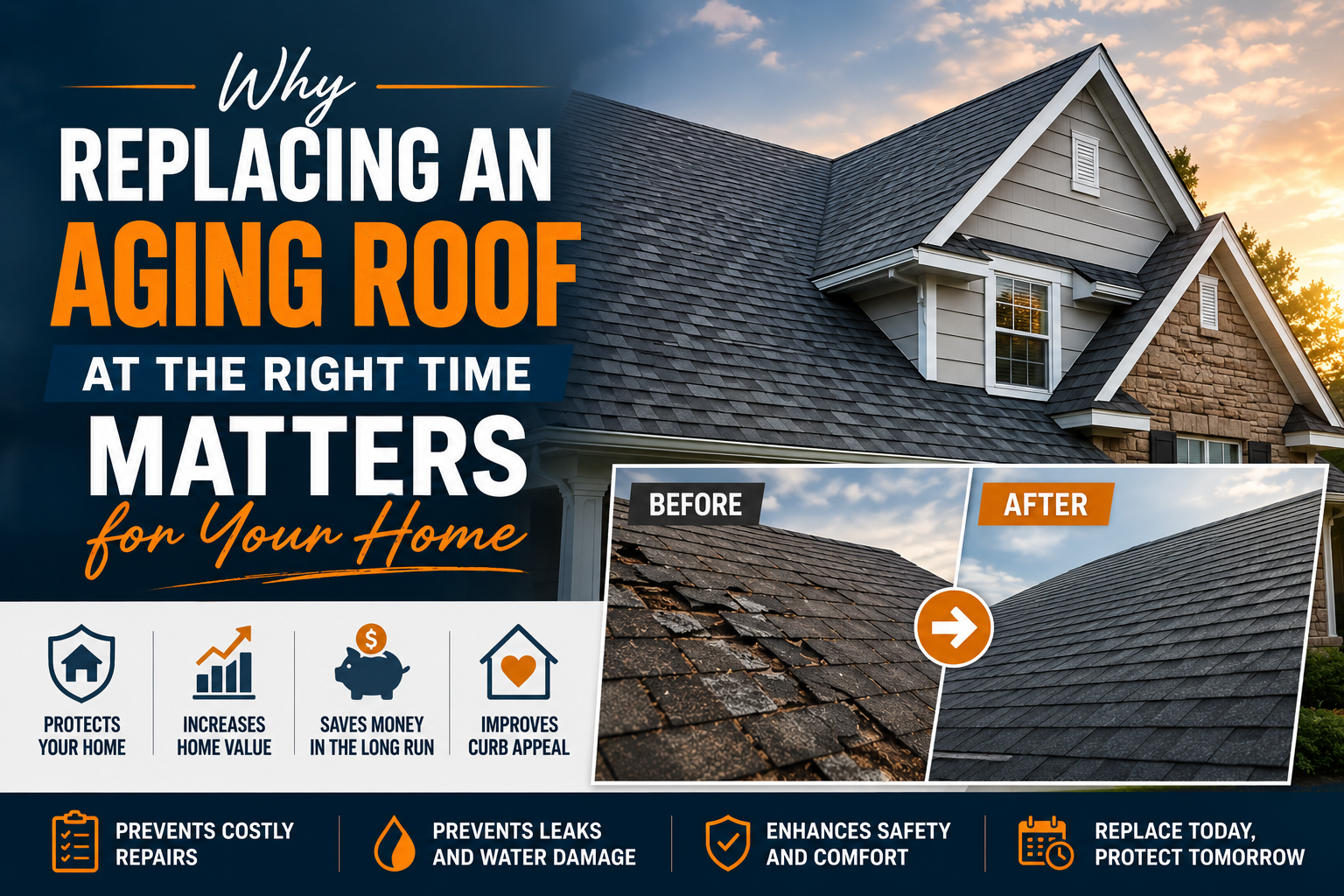
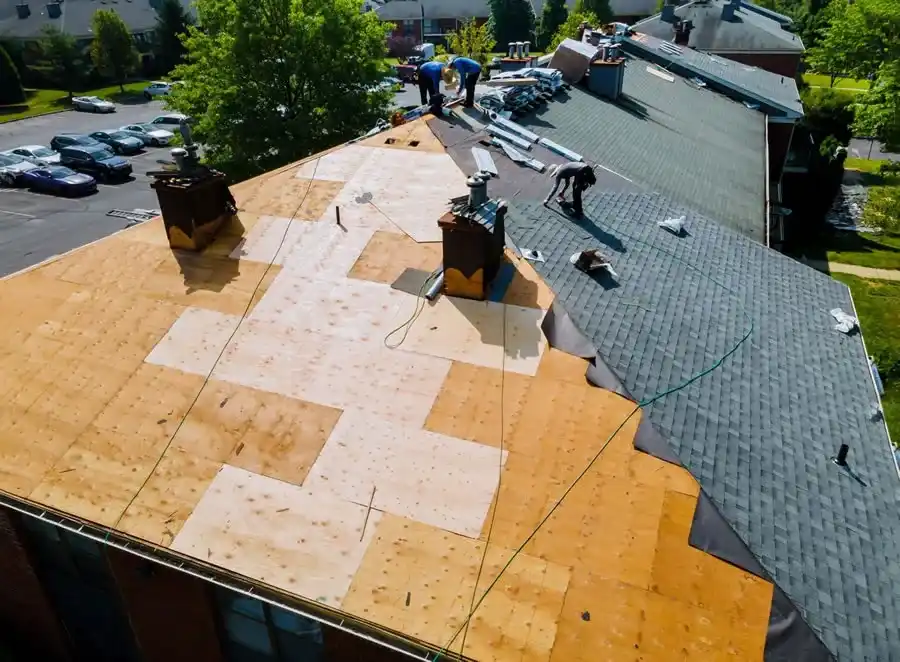
At some point, repairs stop making sense. Aging roofs with repeated issues often benefit from full replacement. This is when many homeowners consider roof replacement in Monroe to reset performance and avoid ongoing costs.
Frequent repairs signal replacement
Energy loss increases with age
Structural risks grow
Long-term savings improve
Timing matters more than people think.
Conclusion
Picking the best roofing material in 2026 requires more than following trends. Climate, budget, energy efficiency, and maintenance all play a role. Some materials last longer, others cost less upfront, and each has trade-offs. Making a smart choice protects the home and avoids stress later. Working with experienced professionals like Milledge Roofing Company helps homeowners choose materials that actually perform well over time, not just look good on day one.
FAQs
1. What roofing material lasts the longest?
Metal and tile roofs generally last the longest when installed correctly and maintained properly.
2. Are asphalt shingles still a good choice in 2026?
Yes, they remain popular due to cost and ease of repair, but quality and ventilation matter.
3. Which roofing material is best for energy savings?
Metal and reflective shingles often help reduce heat buildup and energy use.
4. How often should roofing materials be replaced?
Lifespan varies. Asphalt may last 20 years, while metal and tile can last much longer.
5. Is maintenance required for all roofing materials?
Yes. Every roof needs inspections and basic upkeep to perform well.
6. Should roofing material match the home style?
Yes, but function should come before appearance to avoid future problems.

Write a comment ...