
When storms roll through, homeowners often worry about how well their roofs can handle the pressure. Between heavy rain, high winds, hail, and snow, your roof takes a real beating over time. That’s why many homeowners are turning to metal roofing — not just for looks, but for strength and long-term protection. Whether you’re considering a new installation or a full roof replacement in Braselton, understanding how metal roofs perform under extreme weather can help you make a confident choice for your home.
Why Metal Roofs Are Known for Strength and Durability
Metal roofs are designed to last for decades — often 40 to 70 years with the right care. The material itself, usually steel, aluminum, or copper, is built to handle tough conditions that traditional shingles may struggle with. Unlike asphalt, metal doesn’t crack, curl, or split when exposed to changing weather.
Made from durable materials like galvanized steel or aluminum
Resistant to rust, corrosion, and weather damage
Can handle temperature changes without warping or weakening
Protective coatings add extra defense against UV rays and moisture
This kind of durability makes metal roofing one of the most dependable options for homeowners living in areas with unpredictable weather patterns.
How Metal Roofs Handle Heavy Rain and Moisture
Heavy rain can cause leaks, mold, and wood rot on traditional roofs, especially as they age. Metal roofs, however, are naturally watertight when installed properly. The overlapping panels and tight seams prevent water from seeping underneath.
Water runs off quickly due to the smooth, slick surface
No absorption, so it won’t swell or soften
Resistant to moss, mildew, and algae growth
Strong underlayment keeps moisture from reaching the roof deck
Metal roofs also dry faster than most materials, which helps prevent long-term water damage. For homes in humid or rainy regions, this can be a major benefit.

Wind Resistance: Standing Strong in Storms
Strong winds can tear off shingles, lift flashing, and cause leaks in weaker roofing systems. Metal roofs are built to resist uplift and remain secure during high-speed winds. In fact, most metal roofing systems are tested to meet or exceed hurricane-force wind standards.
Interlocking panels create a strong, wind-resistant surface
Hidden fasteners prevent panels from loosening over time
Properly installed metal roofs can withstand winds up to 140 mph
Lightweight design reduces structural strain during strong gusts
This strength makes metal roofs ideal for regions that frequently experience thunderstorms, tornadoes, or hurricanes.
Protection Against Hail and Impact Damage
Hail is one of the most common causes of roof damage in the U.S. Asphalt shingles often crack or lose granules after a hailstorm, but metal roofs can take the hit. The solid structure of metal disperses impact energy rather than absorbing it.
High impact ratings mean fewer dents and surface damage
Won’t split or puncture easily under hailstones
Coatings help prevent visible marks and scuffs
Long-lasting protection even after repeated storms
While severe hail may leave minor cosmetic dents, these typically don’t affect performance or lifespan. That’s one reason metal roofs are often preferred in areas with frequent hail activity.
Performance During Snow and Ice
In colder regions, snow buildup can add dangerous weight to a roof. Metal roofing helps minimize this problem because its smooth surface allows snow and ice to slide off naturally.
Snow sheds easily, reducing risk of buildup and collapse
Metal reflects heat, helping ice melt faster in sunlight
No water penetration from melting snow
Strong support structure for winter durability
Some metal roofs also come with snow guards to control the pace of snow release, which prevents sudden slides that can damage gutters or landscaping.
Fire Resistance and Safety Benefits
Another advantage of metal roofs is their ability to resist fire. Unlike wood or asphalt shingles, metal does not ignite, making it one of the safest materials for your home. This can provide peace of mind during lightning storms or wildfires.
Classified as non-combustible (Class A fire rating)
Doesn’t spark or catch fire when struck by lightning
Reduces risk of roof fires during power line or chimney incidents
Adds safety value to your home’s insurance profile
For homeowners living in areas prone to dry conditions or lightning storms, a metal roof can serve as an extra layer of security.
Energy Efficiency in Extreme Weather
Beyond strength, metal roofs also help regulate indoor temperatures during hot or cold seasons. This performance isn’t just about comfort—it can also reduce your monthly energy bills.
Reflects sunlight and heat, keeping homes cooler in summer
Works well with attic insulation to maintain stable indoor temperatures
Reduces air conditioning use during warm months
Keeps heat inside during winter, improving efficiency
Because metal reflects radiant heat instead of absorbing it, your cooling system doesn’t have to work as hard. That’s especially useful during long, hot summers in southern states.
Maintenance Tips for Long-Lasting Protection
Although metal roofs require less maintenance than many other materials, some regular care will keep them performing their best through all kinds of weather.
Inspect panels, fasteners, and flashing once or twice a year
Clean off leaves, branches, or debris that may trap moisture
Reapply protective coatings if the finish begins to fade
Keep gutters clear to prevent water backup and ice dams
With these simple steps, homeowners can enjoy decades of dependable performance from their metal roofs.
When to Consider a Roof Replacement
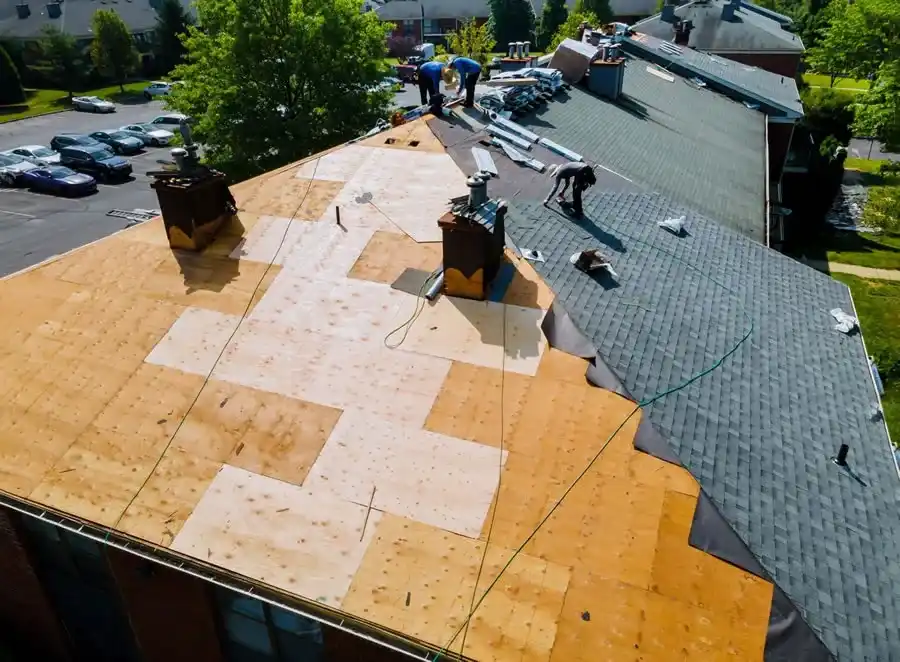
If your current roof has faced years of storms, leaks, or wear, it might be time to think about a roof replacement in Braselton. Metal roofing can be a strong investment that pays off through lower maintenance and long-term savings. Signs that it might be time for a replacement include:
Frequent leaks or water spots inside your home
Missing, cracked, or curling shingles
Sagging areas or soft spots in your roof deck
Increasing energy bills due to poor insulation
Upgrading to metal can make your home safer, more efficient, and better prepared for the weather challenges ahead.
Conclusion
Metal roofs have proven their strength and reliability time and time again. From powerful storms and heavy rain to hail and snow, this roofing option provides the kind of protection homeowners can count on. While every roof faces wear over time, metal offers unmatched durability and peace of mind — especially for families living in areas that experience harsh weather.
At Milledge Roofing Company, we’ve seen how the right materials and skilled installation can make a lasting difference. Investing in a strong, well-built metal roof isn’t just about weathering the next storm — it’s about protecting your home for decades to come.

Write a comment ...